
Your Ultimate Guide to Buying Property in Spain: Tips & Steps
— The Spanish Collection
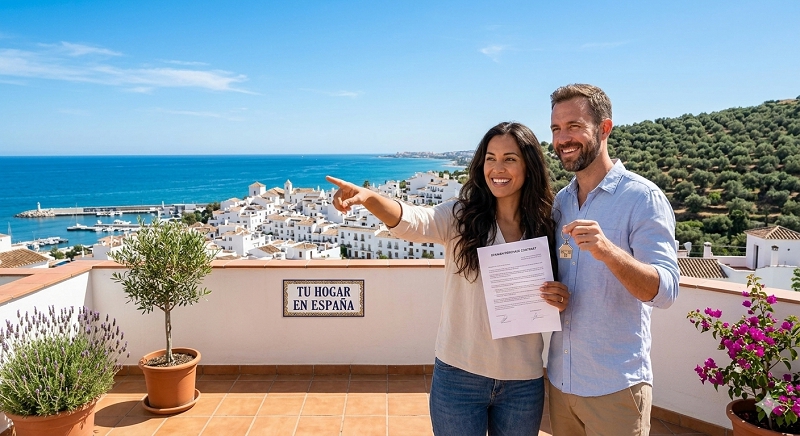
Buying property in Spain? Discover expert tips and essential steps to make your dream home a reality in this ultimate guide to navigating the Spanish real estate market.
Understanding the Spanish Property Market
The allure of Spain’s vibrant culture, stunning landscapes, and warm climate has made it a top destination for property buyers worldwide. The Spanish property market, while brimming with opportunity, can also be complex and varied. Understanding its nuances is essential for making an informed purchase. The market fluctuates with economic changes, regional demands, and seasonal trends. Hence, keeping an eye on market reports and trends can give you a strategic advantage.
Spain’s property market is divided into several segments, including urban, coastal, rural, and luxury properties. Each segment has its own price dynamics and investment potential. Urban areas like Madrid and Barcelona are known for their robust real estate markets, with higher property prices and strong rental yields. Coastal regions, popular for holiday homes, see a seasonal spike in demand, impacting property prices and availability.
Before diving into property hunting, it’s crucial to understand the local market conditions. Engage with local real estate experts, read market analysis reports, and visit reputable property portals. This groundwork will help you set realistic expectations and identify the best areas that match your budget and preferences.
Key Considerations Before Buying Property in Spain
The decision to buy property in Spain should not be taken lightly. There are several key considerations that prospective buyers must take into account to ensure a successful investment. Firstly, consider the purpose of your purchase. Are you looking for a holiday home, a permanent residence, or an investment property? Your answer will influence the type of property you should look for and its location.
Another crucial factor is your budget. Beyond the purchase price, you need to account for additional costs such as taxes, legal fees, notary fees, and property maintenance costs. It’s wise to set aside at least 10-15% of the property price to cover these extra expenses. Moreover, understanding the financing options available to you, including mortgage terms and interest rates, is vital for financial planning.
Additionally, the location of the property is paramount. Spain offers a diverse range of locations, from bustling cities to tranquil countryside and picturesque coastal areas. Each region has its own lifestyle, amenities, and property prices. Researching the local infrastructure, accessibility, climate, and community will help you choose a location that fits your lifestyle and investment goals.
Types of Properties Available in Spain
Spain boasts a diverse array of property types catering to different tastes and budgets. Understanding the various options available will help you make a more informed choice. One of the most popular types is the apartment. Apartments are abundant in urban areas and coastal regions, offering convenience and modern amenities. They range from compact studios to spacious multi-bedroom units.
For those seeking more space and privacy, villas and townhouses are excellent options. Villas, often found in suburban and rural areas, offer expansive gardens, private pools, and larger living spaces. They are ideal for families or those looking for a luxurious lifestyle. Townhouses, on the other hand, provide a blend of apartment and villa living, often located in residential communities with shared amenities.
Fincas and country houses appeal to those looking for a rustic charm. These properties, set in the countryside, often come with large plots of land and traditional Spanish architecture. They are perfect for buyers seeking tranquility and a connection with nature. Additionally, Spain offers unique historical properties, such as castles and palaces, for those with a taste for heritage and grandeur.
The Process of Buying Property in Spain
The process of buying property in Spain involves several steps, each crucial for ensuring a smooth transaction. The first step is to conduct thorough research and shortlist properties that meet your criteria. Utilize online property portals, attend local real estate exhibitions, and engage with real estate agents to explore your options.
Once you have identified a property, the next step is to make an offer. This is typically done through a reservation contract, which secures the property for a specified period while you arrange the necessary finances. It’s advisable to hire a local lawyer to review the contract and ensure all terms are fair and transparent. The lawyer will also conduct due diligence, checking for any legal issues or encumbrances on the property.
Following the reservation contract, a private purchase contract is signed, outlining the terms of the sale, payment schedule, and completion date. At this stage, a deposit, usually 10% of the purchase price, is paid. The final step is the completion, where the remaining balance is paid, and the property title is transferred. This is done in the presence of a notary, who ensures all legalities are observed. The property is then registered in your name at the local land registry.
Legal Requirements for Foreign Buyers
Foreign buyers in Spain must adhere to specific legal requirements to ensure a legitimate and hassle-free property purchase. Firstly, obtaining a Spanish NIE (Número de Identificación de Extranjero) is mandatory for all property transactions. This identification number is essential for any financial activities in Spain, including opening a bank account, signing contracts, and paying taxes.
It’s also crucial to understand the property’s legal status. Ensure that the property has proper documentation, including the title deed, land registry details, and building permits. Hiring a local lawyer with expertise in Spanish property law is highly recommended. They will conduct thorough due diligence, verifying the property’s legal standing, checking for any debts or encumbrances, and ensuring compliance with all local regulations.
Additionally, foreign buyers need to be aware of the taxes involved in property transactions. These include the property transfer tax, VAT (for new properties), notary fees, and registration fees. Understanding these costs upfront will help you budget accurately and avoid any unexpected financial burdens. Consulting with a tax advisor familiar with the Spanish tax system can provide valuable insights and ensure compliance with all tax obligations.
Financing Your Property Purchase in Spain
Financing your property purchase in Spain can be achieved through various means, depending on your financial situation and preferences. Many foreign buyers opt for a mortgage from a Spanish bank. Spanish banks offer a range of mortgage products, including fixed-rate, variable-rate, and interest-only mortgages. It’s important to compare different mortgage offers to find the best terms and interest rates.
To qualify for a mortgage in Spain, you will need to provide proof of income, employment status, and financial stability. Spanish banks typically require a deposit of 20-30% of the property price for non-residents. Additionally, having a good credit history and a stable income source will improve your chances of securing favorable mortgage terms. Consulting with a mortgage broker who specializes in Spanish property can help you navigate the lending process and find the best deals.
Alternatively, some buyers choose to finance their purchase through personal savings or by taking out a loan in their home country. This approach can be advantageous if you can secure a lower interest rate or if you prefer to avoid dealing with foreign banking regulations. Whichever financing method you choose, it’s crucial to have a clear understanding of the costs involved and to ensure that your financial plan is sustainable in the long term.
Working with Real Estate Agents in Spain
Working with a reputable real estate agent can significantly simplify the process of buying property in Spain. Real estate agents have in-depth knowledge of the local market, access to a wide range of properties, and expertise in negotiating deals. When choosing an agent, it’s important to select someone who is registered with the appropriate professional bodies and has positive reviews from previous clients.
A good real estate agent will listen to your needs and preferences, provide you with a curated list of properties, and arrange viewings. They will also offer valuable insights into the local market, including property values, investment potential, and neighborhood amenities. Additionally, they can assist with negotiating the best price and terms, ensuring that you get the most value for your investment.
It’s essential to establish clear communication with your real estate agent from the outset. Discuss your budget, preferred locations, and any specific requirements you have for your property. Regular updates and feedback will help the agent refine their search and present you with the most suitable options. Building a strong working relationship with your agent will enhance your property buying experience and increase the likelihood of finding your dream home.
Tips for Conducting Property Viewings
Conducting property viewings is a critical step in the property buying process, as it allows you to assess the condition, layout, and suitability of potential homes. Before scheduling viewings, make a checklist of your priorities, such as the number of bedrooms, outdoor space, proximity to amenities, and overall condition. This will help you stay focused and evaluate each property objectively.
During the viewing, take note of the property’s structural condition, including the state of the walls, floors, roof, and windows. Look for any signs of dampness, cracks, or other issues that may require costly repairs. Pay attention to the quality of fixtures and fittings, as well as the functionality of plumbing and electrical systems. Don’t hesitate to ask the seller or agent questions about the property’s history, maintenance, and any recent renovations.
It’s also important to get a feel for the neighborhood. Visit the area at different times of the day to assess noise levels, traffic, and overall ambiance. Check the proximity to essential services such as schools, hospitals, public transport, and shopping centers. Speak to local residents if possible to get their perspective on the neighborhood and any potential issues. Taking the time to thoroughly evaluate each property and its surroundings will help you make a more informed decision.
Common Mistakes to Avoid When Buying Property in Spain
Buying property in Spain can be a rewarding experience, but it’s important to avoid common mistakes that can lead to costly and stressful situations. One of the most common mistakes is not conducting thorough due diligence. Failing to verify the property’s legal status, outstanding debts, and compliance with local regulations can result in legal complications and financial losses. Always hire a qualified lawyer to conduct a comprehensive legal check.
Another mistake is underestimating the total cost of purchasing a property. Beyond the purchase price, there are additional expenses such as taxes, notary fees, legal fees, and property maintenance costs. Failing to budget for these expenses can strain your finances and impact your ability to maintain the property. It’s essential to have a clear understanding of all costs involved and to set aside a contingency fund for unexpected expenses.
Finally, rushing into a purchase without proper research and planning can lead to buyer’s remorse. Take the time to thoroughly research the market, explore different locations, and view multiple properties. Ensure that the property meets your long-term needs and investment goals. Making an informed and well-considered decision will increase your chances of finding a property that brings you joy and financial stability.
Conclusion and Final Thoughts on Your Spanish Property Journey
Embarking on the journey of buying property in Spain is an exciting and potentially life-changing experience. With its rich culture, beautiful landscapes, and diverse property options, Spain offers something for every type of buyer. However, navigating the Spanish property market requires careful planning, thorough research, and a clear understanding of the legal and financial aspects involved.
By understanding the Spanish property market, considering key factors before buying, exploring different property types, and following a structured buying process, you can make a well-informed decision. Adhering to legal requirements, securing the right financing, and working with reputable real estate agents will further enhance your property buying experience. Conducting thorough property viewings and avoiding common mistakes will help you find the perfect home that meets your needs and aspirations.
As you embark on this exciting journey, remember that patience and diligence are key. Take the time to explore your options, seek professional advice, and make informed decisions. With the right approach, buying property in Spain can be a fulfilling and rewarding experience, allowing you to enjoy all the beauty and charm that this wonderful country has to offer.